


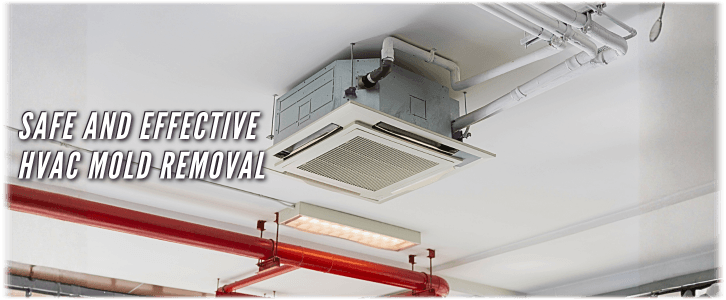
Moisture inside heating and cooling equipment can create conditions where unwanted microbial growth develops. Professional HVAC mold removal in Glendale Heights, IL targets affected HVAC components and helps restore a cleaner system. Because Glendale Heights experiences humid summers and major seasonal temperature changes, moisture problems deserve timely attention. Call (630) 812-7441 to schedule an evaluation before the issue becomes more difficult to manage.
HVAC Mold Removal in Glendale Heights, IL for Cleaner Systems
HVAC systems regularly move air while managing temperature and humidity. However, condensation can collect when drainage, airflow, or moisture conditions become unfavorable.
Dust can then settle on damp surfaces and create additional buildup. Therefore, addressing both visible growth and the moisture source remains important.
Professional HVAC mold remediation starts by identifying affected accessible components. Technicians can then determine which areas need cleaning and which conditions may encourage recurring growth.
Homes around North Avenue, Bloomingdale Road, and ZIP code 60139 face humid summer weather. Additionally, long cooling cycles can produce significant condensation. These local conditions make moisture control particularly important during warmer months.
Signs You May Need in Glendale Heights
A persistent musty odor near vents can indicate a moisture or contamination problem. You might notice the smell when your system starts running.
Visible spotting around registers or accessible HVAC surfaces also deserves investigation. Likewise, repeated condensation around equipment can indicate conditions that support unwanted growth.
Homeowners may also notice excessive moisture near an evaporator coil or drain pan. However, several HVAC problems can cause similar warning signs. A careful inspection helps identify the actual source instead of relying on assumptions.
How Professional HVAC Mold Cleaning Works
A technician first examines accessible areas for moisture, residue, drainage issues, and visible contamination. This inspection helps define the appropriate cleaning approach.
Next, mold removal from HVAC systems may involve cleaning affected surfaces with methods suited to the equipment. Technicians should also avoid spreading debris during the process.
When contamination reaches connected ventilation areas, homeowners may need additional evaluation. For example, air duct mold removal targets affected duct surfaces when conditions warrant it.
Related airflow services may include air duct cleaning, ductwork inspection, dryer vent cleaning, and air duct sanitizing. Each service addresses a separate concern, so technicians should recommend them only when needed.
Why Moisture Control Matters After Mold Removal
Cleaning visible growth without addressing moisture can allow the problem to return. Therefore, technicians should look for conditions that created damp surfaces initially.
Clogged condensate drains, excessive humidity, and poor airflow can contribute to recurring moisture. Additionally, dirty coils may interfere with normal HVAC performance.
Professional AC mold removal should focus on both affected areas and contributing conditions. This approach provides homeowners with more useful long-term results.
Protect Your Glendale Heights HVAC System
Ignoring musty odors or visible growth rarely improves the situation. Instead, early evaluation can help limit contamination and identify moisture issues sooner.
Glendale Heights homeowners rely heavily on cooling during humid Illinois summers. Consequently, keeping HVAC components clean and managing condensation can support reliable system operation.
Prompt service also gives you clear information about the affected areas. From there, you can make informed decisions about cleaning, repairs, or additional moisture control.
Frequently Asked Questions
Can moisture inside an HVAC system contribute to mold growth?
Yes. Condensation and persistent moisture can create conditions that support growth on dusty HVAC surfaces. Proper drainage and moisture control can reduce those conditions.
Does mold inside HVAC equipment always mean the air ducts need cleaning?
No. Technicians should inspect the system first and identify where contamination exists. Duct cleaning only makes sense when inspection findings support that service.
When should I schedule professional HVAC mold service?
Schedule an evaluation after noticing musty odors, visible growth, or recurring HVAC moisture. Professional HVAC mold removal in Glendale Heights, IL can address affected components while helping identify conditions behind the problem.
Do not give moisture and contamination more time to spread through your heating and cooling system. Call (630) 812-7441 today for prompt evaluation and professional HVAC mold removal in Glendale Heights, IL.